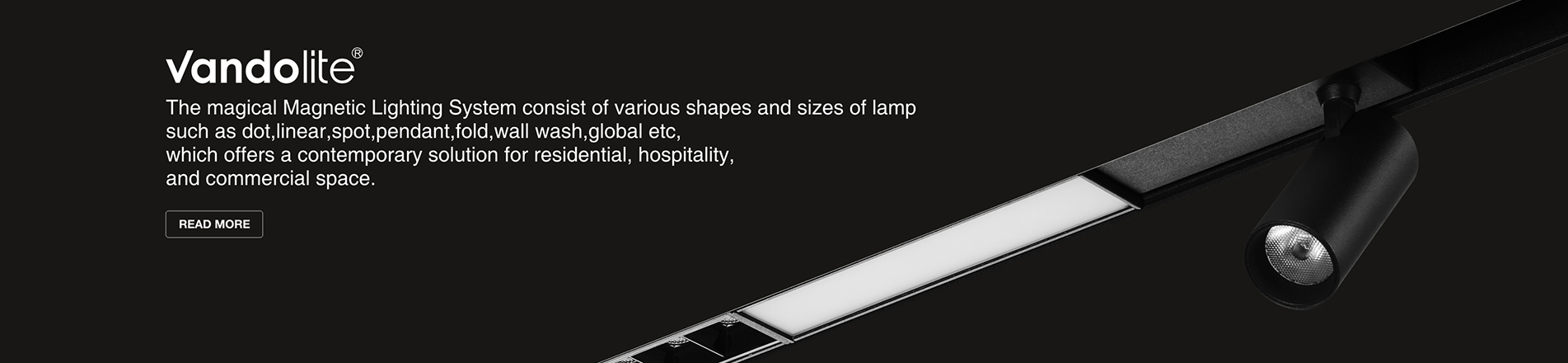
When designing a magnetic track lighting system, one of the most important—but often overlooked—decisions is choosing the right beam angle.
Beam angle directly affects how light is distributed, what gets highlighted, and how the entire space feels. A poor beam angle choice can make products look flat, create unwanted glare, or leave dark spots in the room. The right choice, however, can dramatically improve visual impact and user experience.
Whether you're designing for retail, hospitality, offices, or residential interiors, understanding beam angle is essential for achieving the best lighting result.
Beam angle refers to the spread of light emitted from a fixture, measured in degrees.
A smaller angle creates a tighter, more concentrated light beam.
A wider angle produces broader and softer illumination.
Typical magnetic track spotlight beam angles include:
15° — narrow spotlight for precise accent lighting
24° — focused beam for product highlighting
36° — balanced beam for general accent use
60° — wide beam for ambient lighting
Choosing among these depends entirely on your application.
Why Beam Angle Matters in Magnetic Track Lighting
Unlike traditional fixed ceiling lights, magnetic track systems are modular and flexible. That flexibility only works well if each fixture’s beam angle matches the design intent.
The right beam angle helps you:
This is why beam angle selection should be part of the design process—not an afterthought.
Beam Angle Selection by Application
1. Retail Display Lighting
Retail environments usually require focused accent lighting to draw attention to products.
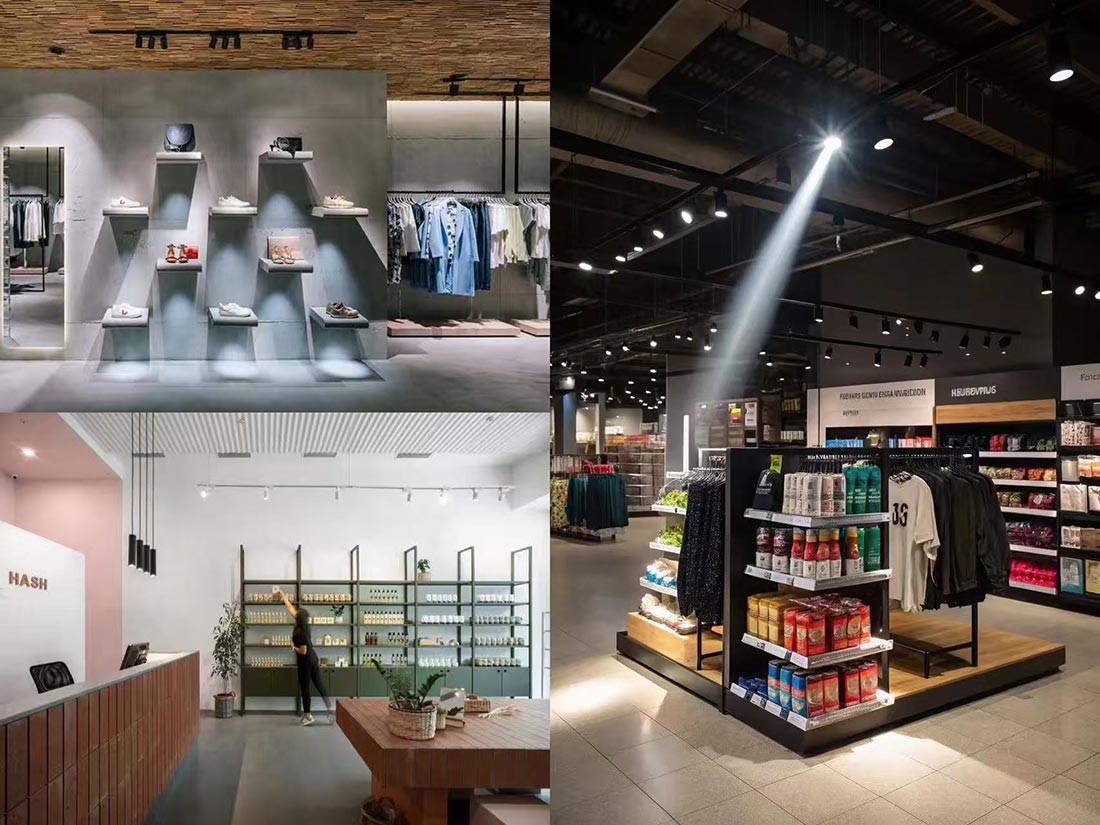
Recommended:
2. Hotel & Hospitality Spaces
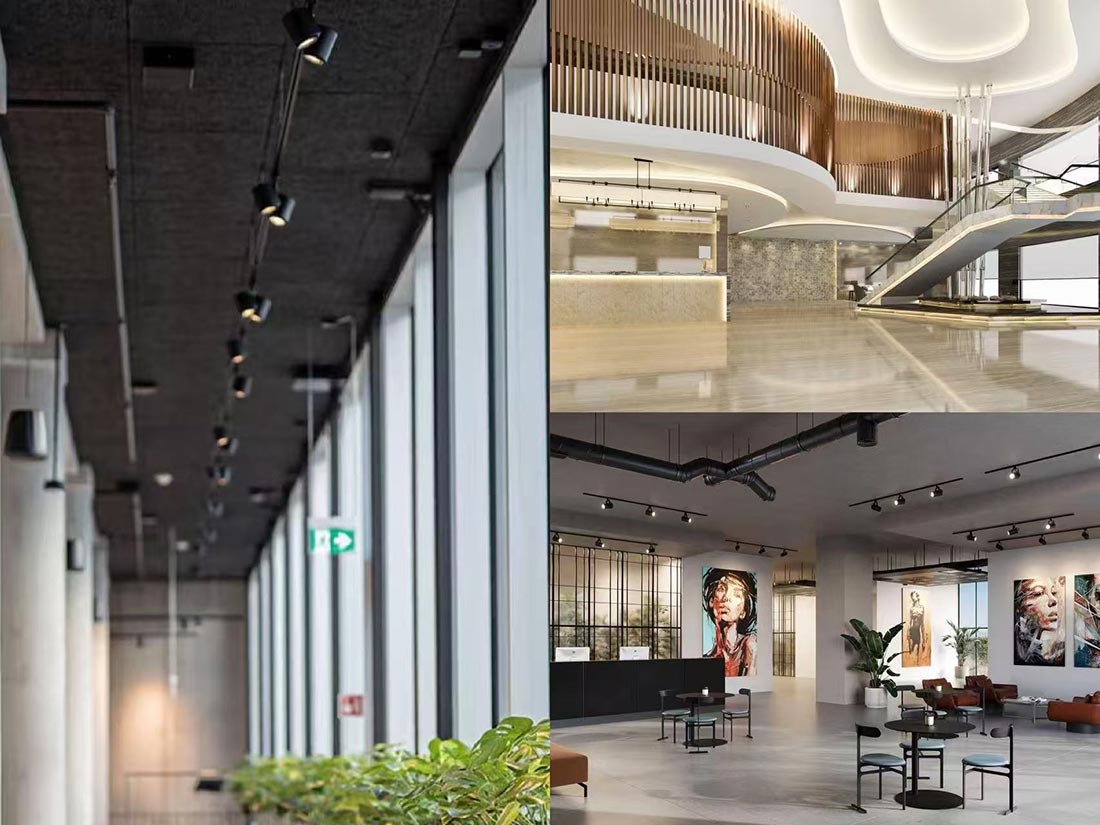
Narrower beams create stronger contrast, making products appear more premium and visually attractive.
Hotels need a balance between comfort and emphasis.
Recommended:
The goal is softer transitions and better atmosphere.
3. Art Galleries & Museums
Precise beam control is critical in galleries.
Recommended:
15°–24°
This minimizes light spill and keeps attention on the artwork.
4. Offices & Showrooms
Showrooms often require more even illumination.
Recommended:
36°–60°
Wider beams reduce harsh contrast and improve visual comfort.
Beam Angle and Ceiling Height
A common mistake is choosing beam angle without considering installation height.
General rule:
|
Ceiling Height |
Recommended Beam Angle |
| 2.5–3m | 15°–24° |
| 3–4m | 24°–36° |
| 4m+ | 36°–60° |
Higher ceilings usually require wider beam spreads to maintain proper coverage.
Fixed vs Adjustable Beam Angle
Many modern magnetic spotlights now offer adjustable beam options.
Benefits of adjustable beam fixtures:
For example, a 20°–60° adjustable magnetic spotlight allows one fixture to serve multiple applications—from narrow product highlighting to wider ambient lighting.
This is increasingly popular in commercial and architectural lighting projects.
Common Beam Angle Mistakes
Avoid these common issues:
Good lighting is not about more light—it is about better light.
Why Magnetic Track Systems Make Beam Selection Easier
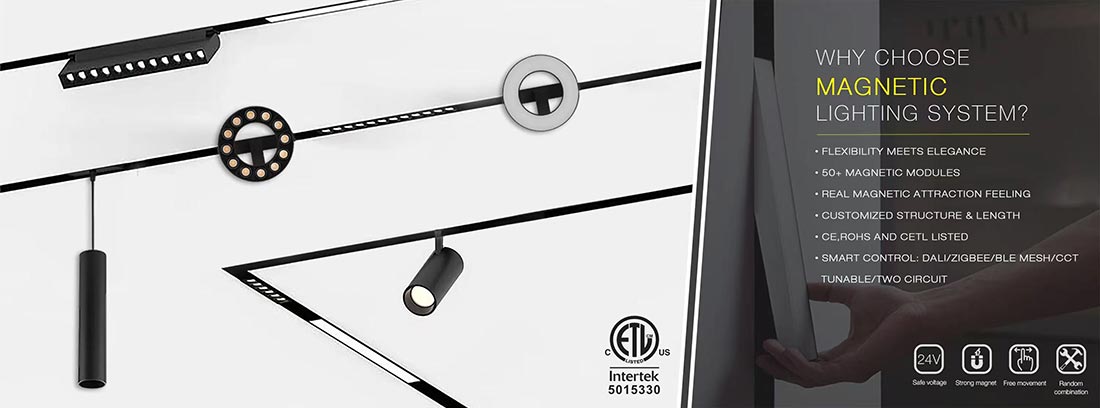
Magnetic track systems allow designers to:
mix multiple beam angles on one track
reposition fixtures anytime
replace modules without rewiring
adapt lighting as spaces change
That flexibility is exactly why magnetic systems are becoming the preferred choice in modern architectural lighting.
Choosing the right beam angle is one of the simplest ways to improve lighting quality.
A well-selected beam angle enhances products, architecture, and customer experience—while maximizing the flexibility of your magnetic track lighting system.
If you're unsure which beam angle fits your project, start with the space, ceiling height, and lighting purpose—then build from there.
FAQ
1. Can I mix different beam angles on the same magnetic track system?
Yes. One of the biggest advantages of magnetic track lighting is flexibility. You can combine different beam angles—such as 15°, 24°, and 36°—on the same track to create layered lighting effects. This is commonly used in retail and gallery spaces to balance accent lighting and general illumination.
2. What beam angle is best for highlighting premium or luxury products?
For luxury product presentation such as jewelry, watches, or high-end fashion items, narrower beam angles like 15°–24° are recommended. They create stronger contrast, sharper focus, and a more premium visual impression that helps products stand out.
3. Can beam angle be adjusted after installation?
Yes, depending on the fixture type. Some magnetic track spotlights use interchangeable lenses, while others offer zoomable beam designs (for example 20°–60° adjustable models). This allows lighting adjustments even after installation without changing the entire system.
4. Do different beam angles require different power wattages?
Not necessarily. Beam angle affects light distribution, not power consumption directly. However, narrower beams may appear brighter on target surfaces due to concentrated light output, while wider beams distribute light more evenly.

 IPv6 network supported