Why Architects Are Moving Away From Fixed Lighting to Magnetic Modular Systems in 2026
Apr 03, 2026
In 2026, lighting is no longer treated as a static building component. It has become a flexible architectural layer that must adapt to changing spatial needs, design updates, and commercial usage patterns.
Across hotels, retail stores, offices, and high-end residential projects, architects are increasingly replacing fixed lighting systems such as recessed downlights and static ceiling fixtures with magnetic modular lighting systems.
This shift reflects a broader transformation in how spaces are designed, used, and maintained — where ceilings are no longer “fixed surfaces”, but adaptive design platforms.
✦ The Limitations of Fixed Lighting Systems
Fixed lighting has been the standard solution in architecture for decades, but its limitations are becoming more obvious in modern design practice.
Once installed, lighting positions are locked. Any change in layout usually requires cutting the ceiling, rewiring circuits, and interrupting the space.
This creates a problem in today’s environments where spaces are constantly evolving:
• Retail stores refresh displays frequently
• Hotels redesign interiors seasonally
• Offices shift layouts based on teams and workflows
Fixed lighting simply cannot keep up.
Maintenance is another hidden issue. When a single fixture fails, access is often difficult, and repairs may affect surrounding ceiling structures.
In short: Fixed lighting = permanent decisions in a non-permanent world
✦ 2026 Architectural Drivers Behind the Shift
Several strong design and commercial forces are accelerating the transition toward modular lighting systems:
✨ Flexibility-first spatial design
✨ Minimal “clean ceiling” aesthetics
✨ Lower lifecycle renovation cost
✨ Multi-use commercial environments
✨ Faster interior transformation cycles
Lighting is no longer evaluated only as illumination — but as part of space productivity and adaptability.
✦ Fixed vs Magnetic Systems (Real-World Difference)
Category
Fixed Lighting
Magnetic Modular Lighting
Design flexibility
❌ Static
✔ Fully adjustable
Maintenance
Requires tools & downtime
Quick module replacement
Renovation impact
Ceiling opening required
No structural damage
Lighting scenes
One fixed setup
Multiple interchangeable scenes
Commercial adaptability
Low
Very high
Long-term efficiency
Limited
Strong
👉 The difference is no longer technical — it is operational.
✦ Why Magnetic Modular Lighting Works Better
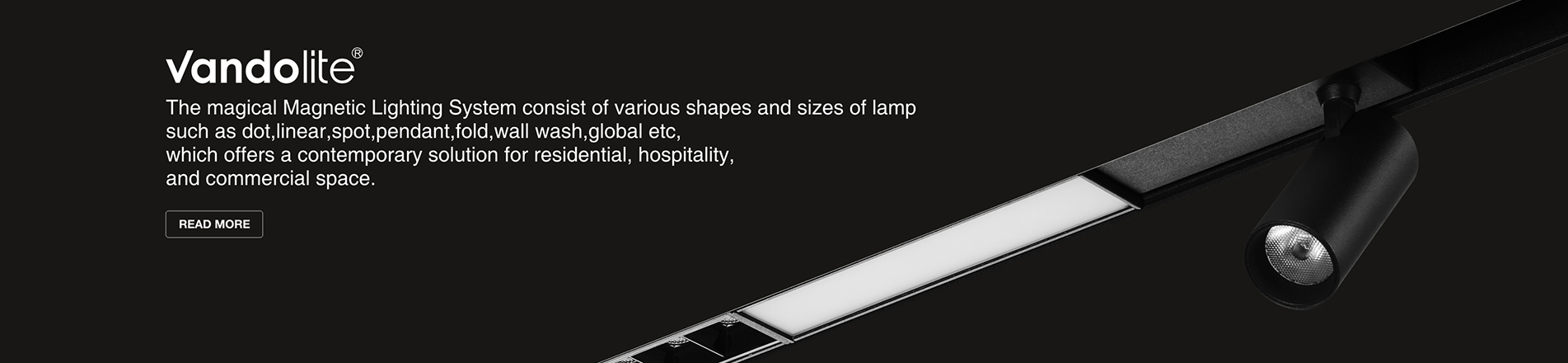
Magnetic modular lighting systems replace the idea of “fixed points” with a continuous intelligent track.
Instead of planning lighting as permanent positions, architects design a living lighting system.
Key advantages:
◆ Modules can be added, removed, or repositioned instantly
◆ No rewiring needed for layout changes
◆ Spotlights, linear lights, wall washers coexist in one system
◆ Lighting evolves with space requirements
This transforms lighting from a constraint into a design resource.
✦ From Fixture Thinking → System Thinking
One of the biggest changes in architecture today is conceptual:
❌ Old thinking: “Where should the light be installed?”
✔ New thinking: “How should the lighting system behave over time?”
Magnetic track systems support this shift by treating lighting as an architectural infrastructure layer — not a collection of individual fixtures.
✦ Ceiling Aesthetics: The “Invisible Architecture” Trend
A major global design direction in 2026 is the pursuit of visual silence in ceilings.
Architects are moving toward:
Clean surfaces
Hidden lighting sources
Minimal visual interruption
Seamless integration
Magnetic track systems support this aesthetic through:
✔ Recessed installation
✔ Trimless detailing
✔ Linear continuity
✔ Reduced ceiling clutter
The result is a ceiling that feels designed — not installed.
✦ Commercial Value in Real Projects
In real commercial environments, the advantage becomes even more obvious:
🏨 Hotels
Lighting scenes can shift for lobby, lounge, or event use without reconstruction.
🛍 Retail spaces
Product displays change frequently — lighting adapts instantly.
🏢 Offices
Work zones evolve — lighting follows layout changes.
🎨 Galleries / showrooms
Exhibition lighting is reconfigurable per event.
This flexibility directly reduces downtime and renovation cost while increasing space usability.
✦ Lighting Becomes a Design Tool
With magnetic modular systems, lighting is no longer fixed infrastructure.
It becomes:
✨ A spatial editing tool
✨ A mood control system
✨ A layout support structure
✨ A long-term design platform
Architects are no longer designing “light points” — they are designing lighting behavior.
✦ Final Direction of Architectural Lighting
The shift away from fixed lighting is not an isolated trend. It reflects a broader transformation in architecture:
From permanence → adaptability
From static systems → modular infrastructure
From installation → evolution
Magnetic modular lighting systems sit directly inside this transition, reshaping how ceilings are designed and how spaces function over time.
Read More


 IPv6 network supported